Skip to content

A Guide to Formulating an Effective Packaging Strategy

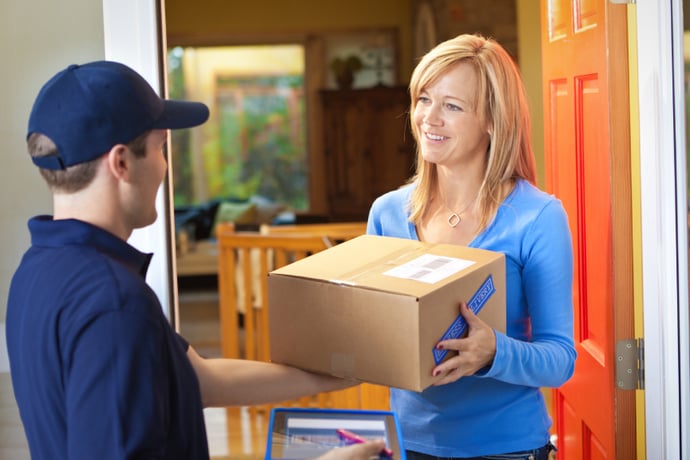
When customers buy from your online store, their first physical interaction with your brand usually happens at the doorstep. With the right packaging strategy, that moment can create a powerful emotional connection - one that encourages repeat purchases, loyalty and brand recommendations.

An effective packaging strategy should always be tailored to your customer base. That might mean prioritising sustainability, reducing shipping costs or investing in innovative packaging design.

Whatever the focus, success comes from exceeding expectations through quality, consistency and purpose.

Like any strong business strategy, your packaging approach should answer three core questions:

  • Where are we now?

  • Where do we want to go?

  • How are we going to get there?

How to create your packaging strategy

Developing a successful packaging strategy involves aligning customer insight, operational processes and commercial goals. The key stages include:

  • Developing consumer insight

  • Conducting customer insight analysis

  • Defining your eCommerce packaging design strategy

  • Creating the packaging strategy

  • Understanding what your customers want

  • Considering environmental factors

  • Aligning packaging with your business processes and customer journey

  • Innovating your eCommerce packaging strategy

  • Optimising packaging and shipping performance
Developing Consumer Insight

The first step, understanding where you are now, starts with evaluating how customers perceive your packaging. As online shopping continues to grow, packaging is often the first tangible impression of your brand. That makes it a critical driver of emotional engagement.

Customer insight is fundamental to any e‑commerce strategy. By analysing satisfaction trends and customer feedback, you can identify perceived gaps in your current offering. This might highlight opportunities to refine your target audience, adjust marketing activity or make simple but effective improvements to your packaging and delivery experience.

Whistl’s consumer research and whitepapers provide valuable insight into how packaging influences satisfaction, loyalty and purchasing behaviour.

How to: Customer Insight Analysis

Before developing a packaging strategy, it’s essential to understand the internal and external factors affecting your business.

Key areas to analyse include:

  • Product range performance: Identify which products are most profitable and most frequently returned

  • Customer feedback: Use surveys, reviews and returns data to uncover friction points in the delivery experience

  • Market and behavioural trends: Track changes in online shopping behaviour and delivery expectations

  • Cost and supplier efficiency: Review supplier options to uncover savings or performance improvements

This insight allows packaging to become a strategic differentiator rather than a cost centre.

The eCommerce Packaging Design Strategy

In a crowded e‑commerce market, product alone is rarely enough to stand out. Packaging provides a powerful opportunity to differentiate your brand and reinforce your value proposition.

A strong packaging strategy helps you focus on the most profitable products and customer segments by communicating:

  • Product quality and brand positioning

  • Sustainability credentials

  • Practical benefits such as reusability or convenience

  • Alignment with customer values

By grounding design decisions in consumer insight, you can prioritise changes that deliver the greatest commercial and experiential impact.

Creating the Packaging Strategy

Whistl Parcels has identified several key considerations when shaping a packaging strategy for long‑term success.

What can you afford?

Start by assessing product profitability. Higher‑margin products may justify greater investment in premium packaging, but value doesn’t always mean higher cost. Reusable or multi‑purpose packaging can add value without increasing spend.

Tailor packaging to your business model

Packaging should reflect both your brand and the emotional importance of the product. A high‑value fashion item requires a very different experience to a convenience purchase. The goal is alignment between brand, product and customer expectation.

Understand your return rates

Serial returners can be highly valuable customers with strong lifetime value. Designing packaging that supports easy, hassle‑free returns, such as reusable boxes, can strengthen loyalty and encourage repeat purchases.

What Do Your Customers Want from Packaging?

Once you understand your current position, the next step is defining where you want to go. This requires a close look at customer preferences and external influences, including sustainability.

If your packaging fails to meet expectations, you risk missing critical engagement opportunities that drive retention and profitability.

Whistl’s consumer research shows that more than half of online shoppers are willing to pay more for eco‑friendly packaging, particularly frequent shoppers. Offering sustainable packaging options gives loyal customers more choice without damaging margins.

Environmental Factors Influencing Packaging

Consumer frustration with excessive or non‑recyclable packaging continues to grow, although attitudes vary by age group. Older shoppers tend to value eco‑friendly packaging more, while younger shoppers may be more price‑sensitive.

Eco‑friendly packaging can take many forms—recyclable, biodegradable or made from recycled materials. While these distinctions matter operationally, consumer research shows that the overall perception of “eco‑friendly” packaging is what resonates most strongly.

Packaging, Business Processes and the Customer Journey

Packaging must work efficiently across your entire operation, not just at the point of delivery. When aligned correctly, it becomes a competitive advantage.

Key touchpoints include:

  • Consumer research: Clearly communicate your packaging approach on your website

  • Order processing: Track packaging inventory within your WMS

  • Inbound logistics: Minimise freight and storage costs through efficient supplier packaging

  • Reworking and preparation: Ensure packaging doesn’t disrupt inspection or assembly processes

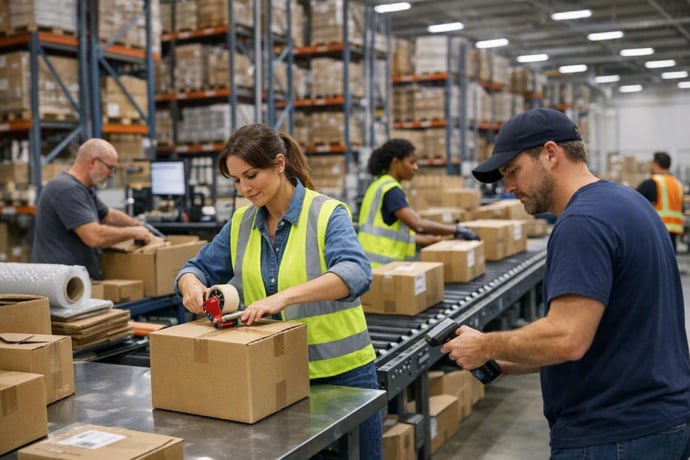
  • Picking and sorting: Optimise layouts and workflows to improve packing speed

  • Packing shipments: Store fast‑moving and bundled items close to packing stations

  • Outbound preparation: Create clear zones for inspection, labelling and routing

  • Order delivery: Align packaging dimensions with carrier requirements

  • The unboxing experience: Use branding, sustainable materials and inserts to delight customers

  • Product returns: Design packaging that supports easy, secure returns

Innovating Your eCommerce Packaging Strategy

Many retailers have turned packaging into a genuine USP. Garçon Wines, for example, designed packaging that fits through letterboxes, reducing missed deliveries while using fully recyclable materials.

Inspiration can also come from platforms like Pinterest, which showcase emerging packaging innovations and design trends.

The final stage of your strategy is defining how you’ll get there. Set clear deliverables and measurable KPIs to track progress and ensure continuous improvement.

Tips to Optimise Your Packaging and Shipping Strategy

  • Align packaging formats with your product range

  • Review packaging suppliers and sustainability credentials

  • Offer customers the option to pay for eco‑friendly packaging

  • Regularly review your parcel delivery strategy

  • Simplify picking and packing with easy‑to‑assemble packaging

  • Leverage third‑party buying power to reduce shipping costs

  • Use packaging value engineering to lower storage and handling costs

Related content