Skip to content

Attitudes Towards Online vs Offline Shopping

Shopping is something we all do, but how we shop varies widely. Some people enjoy taking their time, engaging their senses as they browse. Others want the quickest route to purchase – whether that’s grabbing an item in store or clicking ‘buy now’ online.

This is where the choice between online and offline shopping comes into play. But which option do UK consumers really prefer?

Shopping at the Click of a Button

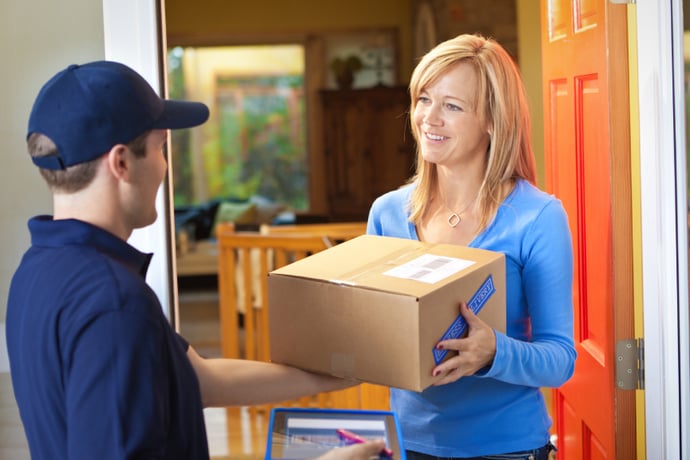
To explore this, we surveyed the British public on their purchasing habits. The results show a clear lean towards digital:

  • 51% of people spend more online

  • 39% spend more in physical stores

On average, Brits spend £50 more when shopping online. In Edinburgh, this figure rises even higher, with almost one in five people spending £75 more online.

That said, around one in ten shoppers say their spending isn’t influenced by where they shop, but by what they’re buying.

Why Online Shopping Wins for Many

When asked why they prefer shopping online, respondents highlighted:

  • Convenience and speed

  • Wider product choice

  • Competitive pricing

  • Avoiding crowds

  • No parking fees

It’s easy to see why online shopping continues to grow. For busy consumers, it removes friction and fits neatly around modern lifestyles.

However, this doesn’t mean the high street is losing relevance.

How Technology Is Reshaping In‑Store Shopping

Offline shopping has evolved, thanks largely to technology. One of the biggest changes has been the rise of self‑service checkouts.

According to our survey:

  • 57% of Brits prefer self‑service payment

  • 42% prefer being served by a human

Age plays a big role here. Among 18–24‑year‑olds, 75% prefer self‑service, while shoppers aged 45 and over strongly favour human interaction, with 70% stating this as their preference.

Gender differences are minimal, with 53% of men and 47% of women opting for self‑service.

When the Personal Touch Really Matters

The importance of human interaction varies significantly depending on what people are buying.

  • Groceries: Only 17% of shoppers say human interaction is important

  • Medical and beauty products: Over 74% value speaking to a person

For some, embarrassment when asking for certain items actually pushes them towards self‑service or online options.

When it comes to clothing, 63% don’t feel human interaction is necessary. However, 37% say they want assistance if they can’t find an item or need help with a purchase they’ve already made.

Browsing In‑Store, Buying Online

There’s also a clear middle ground between online and offline shopping. Three in four Brits (75%) say they like to browse products in store before buying them online.

The most common products for this behaviour include:

  • Mobile phones and gadgets

  • Fragrances

  • Jewellery

  • Clothing (especially coats and jackets)

  • Make‑up

This highlights how physical retail still plays a key role in the customer journey – even when the final purchase happens online.

The Bigger Picture

Our findings underline just how much choice and flexibility consumers have in today’s retail landscape. For many, it’s no longer a case of online or offline, but a blend of both.

Whether shoppers prioritise speed, savings, service or experience, retailers and delivery partners need to support every route to purchase.

If you’re interested in more insights like this, explore the Whistl Parcels Knowledge Hub for the latest trends in eCommerce, delivery and consumer behaviour.

Related content