
Skip to content

eCommerce Trends Powering Online Retail

The world of eCommerce is in a constant state of evolution. Just as businesses adapt to one trend, another emerges, reshaping how consumers interact with online brands. While this fast-paced environment can feel overwhelming, it also presents huge opportunities for retailers that are willing to innovate and stay ahead of the curve.

From AI-driven personalisation and the rise of mobile and social commerce to growing expectations around sustainability, today’s eCommerce landscape is transforming at speed. Advances in delivery and fulfilment are redefining logistics, while augmented reality (AR) is unlocking new, immersive ways to shop online.

By embracing these trends, retailers can enhance customer experiences, drive growth and remain competitive in an increasingly demanding digital marketplace.
Personalisation and Enhanced Customer Experience

The demand for personalised online shopping experiences has grown significantly. Today’s consumers expect brands to understand their preferences and deliver interactions that feel relevant and tailored.

AI and machine learning are transforming how retailers engage with customers. By analysing large volumes of data, these technologies can identify behavioural patterns, predict future purchases and personalise everything from website layouts to product recommendations.

Personalisation platforms such as Nosto and Salesfire enable retailers to build detailed customer profiles using demographics, browsing behaviour and purchase history. This insight allows businesses to anticipate needs and deliver highly relevant content and offers.

Crucially, AI-powered personalisation ensures consistency across all touchpoints. Whether customers are browsing on desktop, shopping on mobile or engaging via social media, they benefit from a seamless, joined-up experience.

Personalised marketing also plays a key role. From tailored email and SMS campaigns to on-site messaging and retargeting, brands can deliver timely recommendations and exclusive offers that resonate with individual shoppers. Dynamic pricing, where prices adapt based on behaviour or demand, can further optimise conversions and customer satisfaction.

By embedding personalisation throughout the customer journey, retailers can strengthen relationships, boost loyalty and drive long-term revenue growth.

The Rise of Mobile and Social Commerce

Mobile devices have become central to how people browse and buy online, making a mobile-first approach essential. A slow or frustrating mobile experience will quickly push customers elsewhere.

At the same time, social platforms are increasingly integrated into the shopping journey. TikTok Shop is a prime example, allowing users to discover, research and purchase products without leaving the app. This is the power of social commerce in action.

For retailers, simply having a social presence is no longer enough. Success now depends on active engagement and frictionless purchasing. Influencer partnerships remain a powerful sales driver, while user-generated content (UGC) — such as reviews, unboxing videos and social posts — plays a vital role in building trust. Seeing real people using and recommending products can be hugely persuasive.

However, none of this matters if the checkout experience falls short. Lengthy or complicated checkouts lead to abandoned baskets and lost sales. To maximise conversions, retailers must offer a streamlined, secure mobile checkout with clear calls to action, preferred payment methods and flexible delivery options.

Sustainability and Ethical Consumption

Consumers are increasingly aware of the environmental and social impact of their purchasing decisions. As a result, sustainability and ethical practices are now key differentiators in eCommerce.

Shoppers want greater transparency around where products come from, how they are made and the impact they have on the planet. This has increased demand for traceable supply chains and reassurance that products are not linked to environmental damage or unfair labour practices.

In response, many online retailers are working towards B Corp certification, which provides independent validation of a business’s commitment to social and environmental responsibility. Beyond credibility, the B Corp framework helps businesses set measurable sustainability goals and drive continuous improvement.

By aligning with consumer values and demonstrating genuine commitment, retailers can build stronger brand loyalty and stand out in a crowded market.

The Evolution of Delivery and Fulfilment

Fast, flexible delivery has become a baseline expectation. Retailers that fail to meet these standards risk losing customers to competitors.

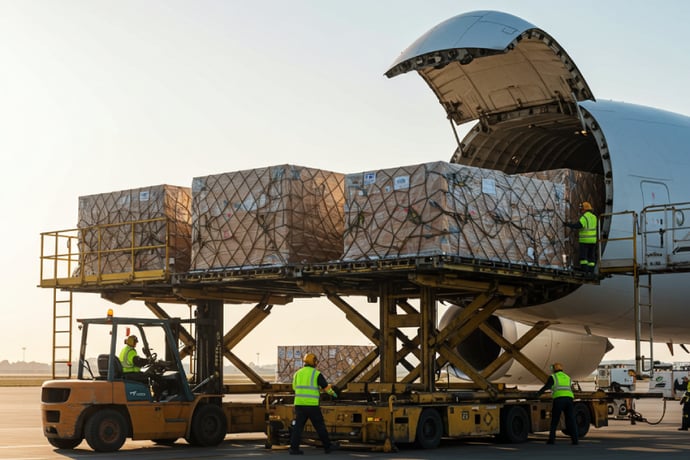
Innovation is reshaping logistics, from Amazon’s drone delivery trials to the testing of autonomous vehicles for last-mile delivery. While these technologies are still evolving, strong foundations in inventory management and fulfilment remain essential.

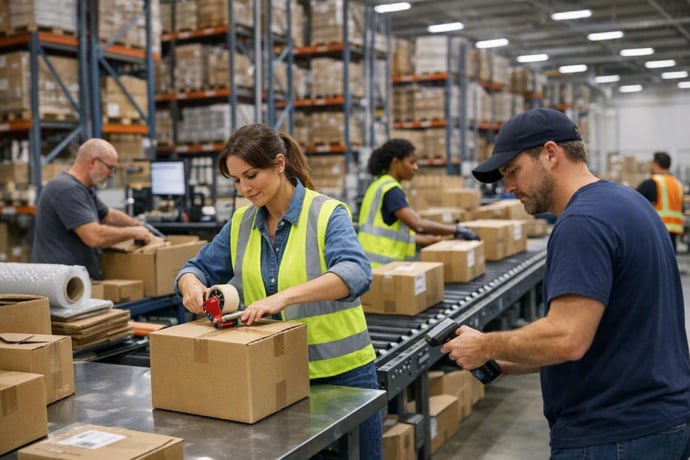
Retailers must invest in reliable inventory systems, efficient warehouse operations and streamlined fulfilment processes to ensure orders reach customers quickly and accurately.

Flexibility at checkout is equally important. Customers now expect a range of delivery options, from express services to more economical choices. This includes selecting preferred carriers, choosing delivery windows and designating safe drop-off locations.

Clear, transparent delivery information builds trust, reduces failed deliveries and improves the overall customer experience. Technology such as multi-carrier shipping platforms, real-time tracking and warehouse automation plays a vital role in improving efficiency and controlling costs.

Augmented Reality and Immersive Shopping Experiences

Augmented reality (AR) is transforming eCommerce by bridging the gap between physical and digital shopping. By overlaying digital content onto the real world, AR allows customers to visualise products in their own environment.

Virtual try-ons, interactive product demos and digital showrooms are becoming increasingly common. From seeing how furniture fits in a room to trying on clothing virtually, AR helps shoppers make more confident buying decisions.

For retailers, AR can reduce return rates, increase engagement and create memorable brand experiences. For consumers, it offers a more convenient, personalised and enjoyable way to shop online.

Data Security and Privacy

As personalisation increases, so does the responsibility to protect customer data. Data privacy and security are now critical to maintaining trust and compliance.

The General Data Protection Regulation (GDPR) sets strict standards for how businesses collect, store and use personal data in the UK and EU. Retailers must obtain explicit consent, remain transparent about data usage and give customers control over their information.

Clear, accessible privacy policies are essential, as is honesty about how data supports personalisation and marketing efforts.

Robust cybersecurity measures — including encryption, regular software updates and staff training — help protect against increasingly sophisticated cyber threats. A data breach can have serious financial and reputational consequences, making proactive data protection a business-critical priority.

Conclusion

From personalised experiences and mobile-first shopping to sustainability, advanced fulfilment and immersive technologies, the future of eCommerce is being shaped by rapidly evolving consumer expectations.

These trends are not short-term fads. They represent fundamental shifts in how people shop and what they expect from online retailers. Businesses that prioritise customer experience, invest in the right technology and adapt quickly will be best placed to thrive.

For retailers willing to evolve and keep the customer at the heart of every decision, the future of eCommerce is full of opportunity.

Related content