Skip to content

Recommerce: Embracing the Circular Economy

The traditional “take, make, dispose” model has long underpinned modern industry. But by treating resources as limitless, this linear approach has fuelled excessive waste and placed an unsustainable strain on our planet.

As environmental awareness grows, it’s increasingly clear that a different model is needed. That’s where the circular economy comes in – and recommerce is playing a vital role in making it work.

What is the Circular Economy?

The circular economy focuses on extending the life of products and materials through reuse, repair and recycling. Instead of constantly extracting new resources, it aims to keep existing ones in circulation for as long as possible, reducing waste and environmental impact.

Recommerce – the buying and selling of pre-owned goods – is a natural fit for this model.

Recommerce: What It Is and Why It Matters

Recommerce refers to the resale of previously owned items, most commonly through online marketplaces. From fashion and electronics to books and furniture, almost anything can be given a second (or third) life.

Platforms such as musicMagpie, Vinted and Depop, alongside brand-led resale initiatives, are reshaping how consumers think about ownership and value.

Why recommerce makes sense for businesses

For businesses, recommerce delivers clear commercial and reputational benefits:

  • Stronger brand loyalty and trust: Today’s consumers actively seek out brands that demonstrate environmental responsibility. Offering recommerce options helps businesses connect with eco-conscious shoppers. In fact, 66% of UK consumers say they prefer to buy products with a positive environmental impact.

  • New revenue streams and wider market reach: Selling refurbished or pre-owned products allows brands to reach customers who may not be able to afford new items, while also supporting corporate social responsibility (CSR) goals.

Why consumers are embracing recommerce

The benefits for consumers are just as compelling:

  • Access to affordable, high-quality products

  • A convenient way to declutter and earn money

  • The opportunity to reduce their carbon footprint

By taking part in recommerce, shoppers actively support a more sustainable lifestyle – a genuine win-win for people and planet.

It’s no surprise that recommerce already plays a major role in global marketplaces. Around 40% of eBay’s Gross Merchandise Value (GMV) comes from refurbished and pre-owned goods, contributing to a reduction of 1.6 million metric tonnes of carbon emissions and 69,000 metric tonnes of waste.

The UK Recommerce Opportunity

The UK recommerce market was valued at £6.5 billion in 2024 and is forecast to reach £12 billion by 2028. As sustainability moves from a “nice to have” to a core purchasing driver, recommerce is becoming a fundamental part of the ecommerce landscape.

Gen Z is leading the shift, with more than two-thirds now choosing second-hand items over buying new.

The Logistics Behind Recommerce

While the concept of recommerce is simple, the logistics behind it are anything but.

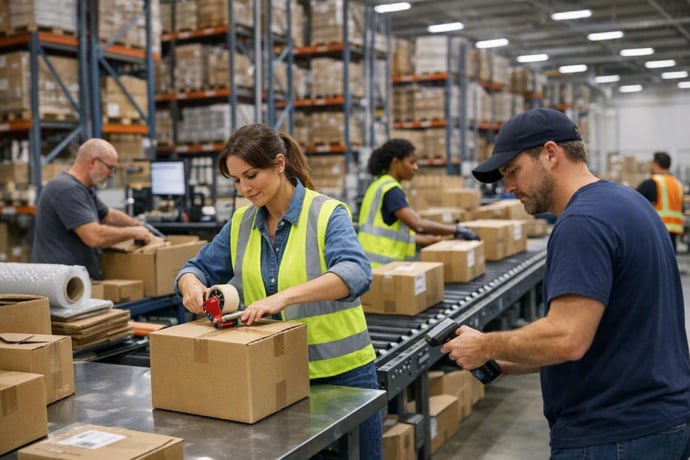
Managing pre-owned goods introduces challenges that don’t exist in traditional forward logistics, including:

  • Handling returns at scale

  • Inspecting, grading and refurbishing products

  • Reintegrating stock for resale

To manage this complexity, businesses need robust reverse logistics capabilities and investment in the right technology.

Key logistics considerations for recommerce

  • Quality control and authentication: Second-hand items must meet clear standards to maintain customer trust.

  • Warehouse and inventory management: Accurate tracking is essential to prevent losses and ensure efficient processing.

  • Data and visibility: End-to-end tracking helps optimise operations and improve decision-making.

The good news is that technology is transforming recommerce logistics. Automated returns management systems, intelligent product grading tools and optimised delivery networks are making recommerce more scalable and cost-effective than ever.

Meeting Customer Expectations

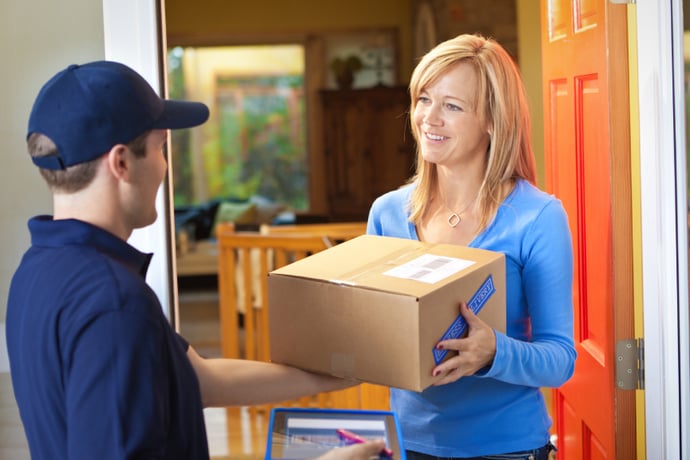
Today’s shoppers expect the same convenience from recommerce as they do from buying new. Hassle-free returns, transparent product descriptions and reliable delivery are all essential.

A customer-centric returns experience builds confidence, encourages repeat purchases and helps turn recommerce into a long-term growth strategy rather than a one-off initiative.

Efficient reverse logistics is the backbone of any successful recommerce model. Without it, scaling operations becomes difficult and costly. With it, businesses can unlock both sustainability and profitability.

The Future of Recommerce and the Circular Economy

Recommerce is set for continued growth as consumers seek more sustainable alternatives. Subscription and rental models are also extending product lifecycles, reinforcing circular consumption habits. In fact, 1 in 10 consumers now hire items more often than they did a year ago.

To unlock the full potential of recommerce, collaboration is key. Businesses, consumers and policymakers all have a role to play.

  • Businesses must invest in transparent resale platforms and efficient reverse logistics

  • Consumers must continue to embrace buying and selling pre-owned goods

  • Policymakers can support growth through clear standards and certification

Standardised regulations around product grading, refurbishment and warranties will be critical to maintaining quality and building trust at scale.

Conclusion

Recommerce is far more than a passing trend. It represents a fundamental shift away from the linear “take, make, dispose” model towards a circular economy where resources are valued and waste is minimised.

For businesses, recommerce opens up new revenue streams, strengthens brand reputation and supports sustainability goals. For consumers, it offers affordability, convenience and a meaningful way to reduce environmental impact.

As expectations continue to evolve, recommerce will play an increasingly vital role in ecommerce. Brands that embrace this shift now will be better positioned for long-term success.

Ready to Embrace Recommerce?

A seamless returns process is essential to any successful recommerce strategy. Whistl Parcels’ multi-carrier solution and advanced reverse logistics and returns portal help businesses manage returns efficiently, reduce costs and deliver a better customer experience.

Find out how Whistl Parcels can support your recommerce operations – get in touch today.

Related content