Skip to content

The Ultimate Guide to Cross-Border Shipping for eCommerce SMEs

Cross‑border eCommerce is booming, opening up huge growth opportunities for ambitious online retailers. But before entering new markets, it’s vital to understand how cross‑border shipping works — and what you need in place to sell confidently overseas.

For eCommerce SMEs, going global is a natural next step to increase sales, diversify revenue and build long‑term resilience.

This guide covers everything you need to know to get started with international shipping — from market selection and localisation to customs, taxes and logistics optimisation.

Who is this guide for?

This guide is designed for small and medium‑sized eCommerce business leaders looking to unlock international growth.

If you’re wondering how to send a parcel abroad, which markets to target, or how international delivery differs from domestic shipping, you’re in the right place.

From the fundamentals to practical tips and real‑world success stories, you’ll learn how to make your cross‑border shipping strategy smart, scalable and seamless.

What you’ll learn

  • What cross‑border shipping is

  • How to get started with international delivery

  • Understanding taxes, duties and customs

  • How to optimise logistics for cross‑border delivery

  • Key global eCommerce markets to watch

  • Real‑life examples of cross‑border success

  • Essential resources for eCommerce SMEs
What is cross‑border shipping?

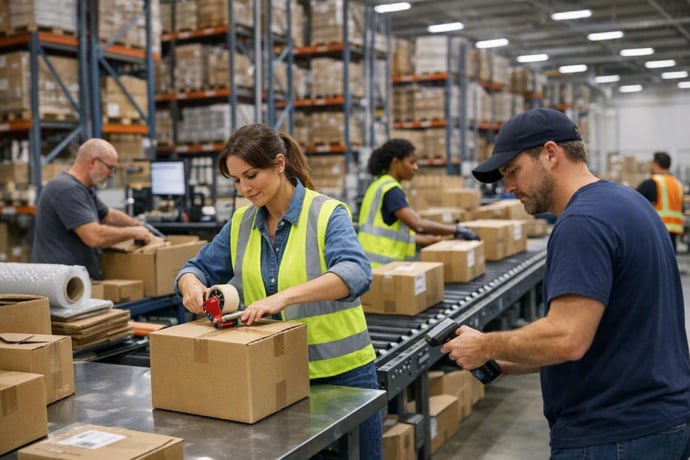
Cross‑border shipping refers to sending eCommerce orders directly to customers in other countries, without relying on local warehouses or distribution centres (although these can play a role as you scale).

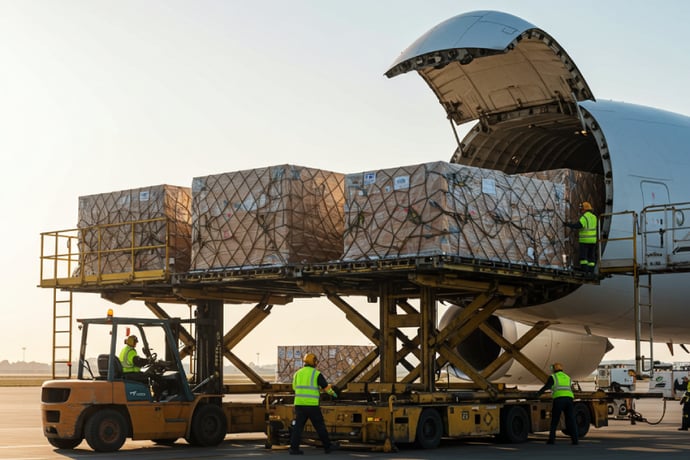
Parcels may travel by road, rail, sea or air — and while the delivery experience may feel similar to domestic shipping, there’s one major difference.

International deliveries require additional documentation, customs clearance, and local taxes or duties, all of which vary by country.

The good news? With modern technology and the right shipping partner, these complexities are far easier to manage than they once were. With the right preparation, your eCommerce business can thrive globally.

The growth of cross‑border eCommerce

Cross‑border eCommerce shows no sign of slowing.

  • Statista forecasts the global B2C cross‑border eCommerce market will reach $7.9 trillion by 2030, up from $785 billion at the start of the decade.

  • Juniper Research (2023) predicts cross‑border transaction values will grow by 107% over five years, outpacing domestic eCommerce growth.

Leading destinations for cross‑border shoppers

China (37%) remains the largest destination, driven by platforms like SHEIN and Temu.

Germany (13%) benefits from a mature eCommerce market and strong European trade links.

The UK (8%) continues to attract international shoppers thanks to strong brand appeal.

Markets such as Austria (86%), Israel (85%), Belgium (80%), Spain (76%) and Italy (75%) show particularly high levels of cross‑border purchasing, driven by trust, connectivity and product availability.

Benefits of cross‑border shipping for eCommerce SMEs

Selling internationally gives SMEs access to customers far beyond domestic borders — and a clear competitive advantage.

Key benefits include:

  • More revenue opportunities: Access new customers in markets where demand for your products is high.

  • Greater business resilience:  Reduce reliance on a single market and protect against local economic pressures.

  • Increased buying power: Higher international volumes can unlock preferential carrier rates and economies of scale. Working with delivery management specialists like Whistl Parcels can help reduce shipping costs and improve margins.

Challenges and considerations

International expansion brings opportunity — but also important considerations.

Establishing local presence

Different markets have different cultural, language and consumer expectations. Local expertise can accelerate growth and avoid costly mistakes.

Building trust

According to a 2023 European shopper survey, the top barriers to cross‑border purchases are:

  • Fear of fraud (45%)

  • Longer delivery times (41%)

  • Unexpected customs charges (40%)

Clear communication around delivery times, costs and duties is essential.

Payments and currencies

Payment preferences vary widely. Credit cards account for 24% of UK online payments, but just 9% in Germany, where PayPal dominates. Offering the right options improves conversion.

Taxes, duties and compliance

Export restrictions, prohibited goods and customs rules vary by country. Understanding these early is critical — and we explore this in more detail below.

Getting started with cross‑border shipping

Do your market research

  • Review website analytics for international traffic patterns

  • Explore marketplaces like Amazon or eBay

  • Use tools such as Google Trends to spot regional demand

A product that performs well at home may not succeed everywhere — research reduces risk.

Establish your market fit

Ask key questions:

  • Is there demand for your product?

  • Are there cultural sensitivities to consider?

  • Who are your competitors?

  • Are there size, weight or product restrictions?

The goal is to find where your product solves a real need.

Positioning and localisation

Effective localisation goes beyond translation:

  • Use native speakers for product content

  • Adapt messaging to local culture

  • Align campaigns with regional shopping events (e.g. Singles’ Day vs Black Friday)

Your brand should feel authentic, relevant and trustworthy in every market.

Managing currencies and payments

  • Decide which currencies to accept

  • Use tools that manage exchange rates

  • Offer popular local payment methods

Digital wallets account for 50% of global payments, while cards dominate in the US.

Choosing a cross‑border shipping partner

Look for a partner that offers:

  • Proven international experience

  • Competitive, transparent pricing

  • End‑to‑end tracking

  • Customs expertise and documentation support

A trusted partner like Whistl Parcels simplifies international shipping and helps you scale with confidence.

Understanding taxes, duties and customs

Customs, taxes and compliance are often the biggest challenges for eCommerce SMEs.

Duties and taxes

Duties depend on:

  • Product category

  • Value

  • Country of origin

  • Existing trade agreements

Use the UK Trade Tariff to identify the correct HS code and duty rates.

VAT or sales tax is calculated on the total landed cost (goods + shipping + duty).

Incoterms explained

Incoterms define who is responsible for costs and risks.

Common examples:

  • DDP (Delivered Duty Paid): Seller covers all costs

  • DAP/DDU: Buyer pays import duties

  • CIF: Seller covers cost, insurance and freight

  • FOB: Buyer assumes risk once goods are onboard

Choosing the right Incoterm avoids disputes and delays.

Essential identifiers

  • EORI number: Required for UK exporters

  • HS codes: Classify goods for customs

  • IOSS: Simplifies VAT for EU shipments under €150

How to optimise your cross‑border logistics

Offer the right delivery options

  • Express (2–4 days)

  • Tracked (4–8 days)

  • Untracked (budget option)

Clear timelines build trust.

Understand prohibited items

Each country has restrictions. Work with a multi‑carrier partner to flag issues early.

Show landed costs upfront

Transparent pricing reduces cart abandonment.

Prioritise customer experience

  • Automated tracking updates

  • Simple international returns

  • Multilingual support

Scale fulfilment as you grow

  • Local warehouses

  • 3PL partners

  • Inventory forecasting tools

Spotlight on key cross‑border markets

High‑growth markets

India, Mexico, Vietnam, Thailand and the Philippines are posting double‑digit growth — with significant long‑term potential.

Key UK export destinations

The US, Germany and the Netherlands remain top partners, with non‑EU exports growing in importance.

Real‑life cross‑border success

Living Beauty Inc.

This Canadian beauty distributor reduced transportation times by 50% after partnering with Whistl Parcels. Improved customs clearance, system integration and delivery efficiency transformed their international shipping strategy.

Essential resources for eCommerce SMEs
UK Government: Guide to Exporting

Department for Business & Trade – Learn to Export

UK Trade Tariff

World Trade Organization

Simply Duty Calculator

Grow globally with Whistl Parcels

Looking to expand internationally? Whistl Parcels helps eCommerce SMEs ship to 220+ countries and territories, with competitive rates, multiple carrier options and dedicated account management.

Related content